

Milan Collections Alternative for Natural Hair Movement
Table of Contents
- Why Natural Hair Movement Matters in a Luxury Sheitel
- Hand-Tied Construction vs Wefted Caps: What Changes Movement
- Luxury Sheitel Color Matching Tips for a Seamless Blend
- Custom Human Hair Sheitel Benefits for Daily Wear
- How to Maintain Wig Movement Between Maintenance Appointments
- Cost, Longevity, and Fiber Density: What You Are Paying For
- Choosing Your Natural Hair Movement Alternative
- Frequently Asked Questions
Last Updated: September 13, 2026
Why Natural Hair Movement Matters in a Luxury Sheitel
Natural hair movement is the way strands shift, fall, and settle as you move, and it is the single hardest quality to fake in a wig. According to Frontiers research on digital fashion archives and design contexts, material behavior and construction choices shape how a finished piece performs in motion. At Millionaire Beauty Brand Extensions, we see this play out daily: a sheitel can have flawless color and still read as artificial the moment the wearer turns her head.
The reason comes down to cap base design. Machine-wefted caps hold hair in rigid rows, so the whole section swings as one block. Hand-tied construction lets individual strands move independently, which is why it produces hairline realism that holds up in daylight and in conversation.

That difference matters most for daily wearers. A wig worn five or six days a week has to survive ponytails, headscarves, and hours under indoor lighting. Movement is what makes those situations believable.
Hand-Tied Construction vs Wefted Caps: What Changes Movement
The core difference is how hair attaches to the cap. In a standard wefted cap, strands are sewn into a thick horizontal band, then the band is attached to the base. The result is a solid curtain of hair that moves as a single unit. Hand-tied wefts go further: strands are tied individually onto an ultra-thin base, so each hair responds to gravity and air on its own.

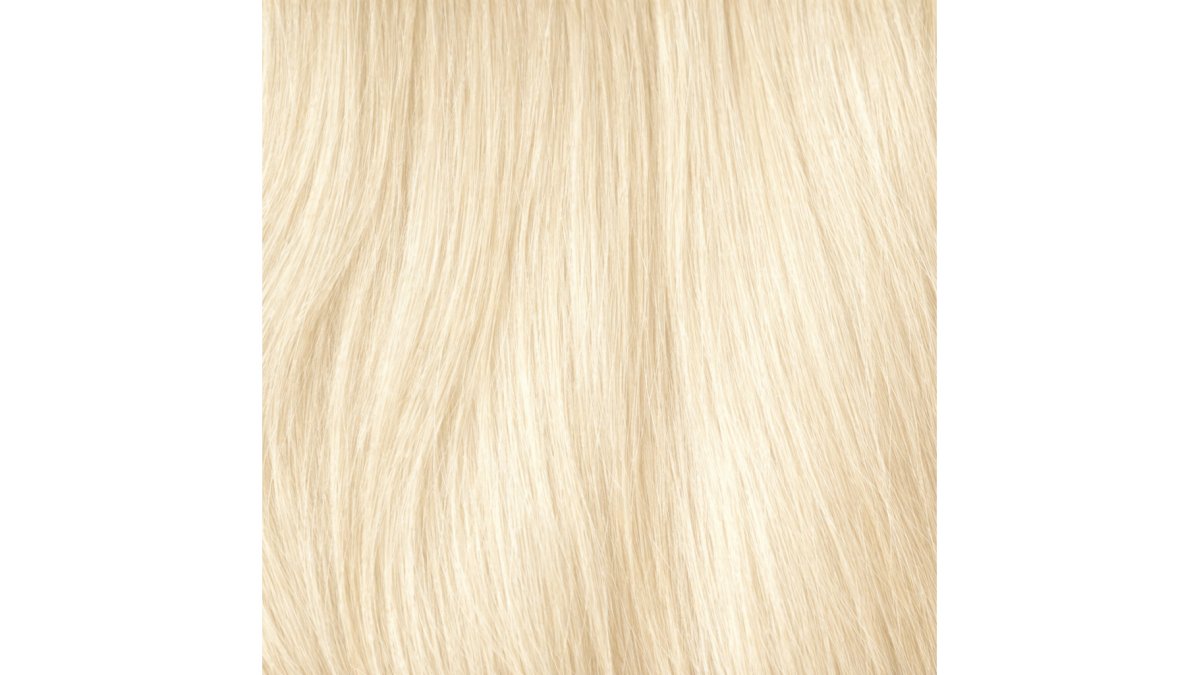
Per Millionaire Beauty Brand Extensions' comparison of Milan Collections and custom sheitels, hand-tied caps allow individual hairs to be tied to the base, creating a more natural hairline and realistic movement than standard wefted alternatives. That construction also affects weight distribution. A hand-tied weft lies flat against the scalp, so the cap feels lighter and breathes better over a long day.
| Feature | Hand-Tied Wefts | Standard Wefted Caps |
|---|---|---|
| Strand attachment | Individually tied | Sewn into bands |
| Movement | Independent, fluid | Moves as one block |
| Cap weight | Ultra-thin, flat | Bulkier at attachment |
| Hairline realism | High | Moderate |
| Breathability | Better airflow | Limited airflow |
The trade-off is cost and installation time. Hand-tied wefts require a trained stylist and a bead-and-thread method, which takes longer than clipping in a standard cap.
Luxury Sheitel Color Matching Tips for a Seamless Blend
Color matching is where most wigs get exposed, and the fix is simpler than most buyers expect. Match to the mid-lengths of your natural hair, not the roots or the ends. Roots run darker and ends run lighter, so either extreme will produce a visible seam.
A few rules that make the biggest difference:
- Check in daylight, not salon lighting. Overhead bulbs hide warm or cool undertones that show up outdoors.
- Match undertone before depth. A dark blonde with warm undertones will never blend with a cool ash shade, no matter how close the level looks.
- Blend two shades if you sit between levels. Most natural heads are not one flat color.
- Test at the nape first. That area shows contrast fastest.
Millionaire Beauty Brand Extensions carries 40+ shades, which matters because the widest failure point in color matching is a range too narrow to hit your exact undertone. Bring a photo in indirect sunlight when you order.
Custom Human Hair Sheitel Benefits for Daily Wear
Custom human hair sheitels solve the problem that off-the-rack wigs create: a cap built for someone else's head. A custom build matches your crown measurement, your density, and your natural texture, which is why it holds up better under daily wear.
The practical benefits stack up quickly:
- Breathability. A matched cap sits correctly, so airflow is not blocked by excess fabric.
- Nape adjustment. A fitted nape stops the wig from riding up during the day.
- Styling versatility. 100% human hair can be washed, curled, and straightened, unlike synthetic fibers that degrade under heat.
- Longevity. With proper care, hand-tied human hair extensions last 6 to 12 months or longer.
What most guides miss is that density matters as much as length. A wig that is too dense looks heavy at the hairline regardless of how good the construction is.
How to Maintain Wig Movement Between Maintenance Appointments
Movement degrades between appointments for a physical reason, not a cosmetic one. When product residue, sebum, and dust collect at the knot where each strand is tied to the base, the strand's pivot point stiffens. A stiffened knot stops the hair from swinging independently, so the whole section starts moving as a block again, the exact failure mode you paid hand-tied construction to avoid. Understanding that mechanism changes how you maintain the wig.

The four things that kill movement, in order of impact:
- Knot buildup. Conditioner and leave-in products are the worst offenders because they are designed to coat the cuticle. Coating is good for the strand and bad for the knot. Rinse product away from the base, not into it.
- Cuticle roughening. Friction from brushing dry hair lifts the cuticle scales, which increases strand-to-strand friction and makes the hair clump instead of separate.
- Cap distortion. A cap stored flat or hung by the hair pulls the base out of shape, which changes the angle each strand leaves the knot.
- Nape lift. As natural hair grows, the cap rides up, and a lifted cap changes the fall pattern at the sides and back before it changes anything at the hairline.
A maintenance routine built around those four failure points:
- Detangle from ends to roots with a wide-tooth comb before the hair gets wet, wet detangling stretches strands and stresses knots
- Wash with a sulfate-free shampoo, working lather down the length and keeping it off the base
- Condition mid-lengths to ends only; never apply conditioner to the knots
- Rinse with cool water to close the cuticle and reduce friction
- Apply heat protectant before any curling iron or flat iron use, and keep tools below 350°F
- Store on a canvas block or in a silk bag, never flat in a drawer, never hung by the hair
- Book a stylist adjustment every 6 to 8 weeks, or sooner if the nape starts to lift
What a stylist adjustment actually does. A proper adjustment is not just tightening the nape. The stylist re-secures lifted rows, redistributes density if the wig has shed unevenly, and re-checks the fall pattern against your natural growth direction. Skipping adjustments is the most common reason a hand-tied wig starts reading as a wig at month four instead of month ten.
Signs movement is already compromised:
| Symptom | Likely Cause | Fix |
|---|---|---|
| Hair swings in one block | Knot buildup | Clarifying wash, base kept dry |
| Ends clump and tangle | Roughened cuticle | Trim ½ inch, add heat protectant |
| Cap rides up during the day | Nape lift | Stylist adjustment |
| Hairline looks stiff | Product at the knots | Rinse base, avoid leave-in at hairline |
Longevity expectations. With this routine, a hand-tied human hair sheitel typically holds natural movement for 6 to 12 months of near-daily wear. Without it, movement degrades noticeably within 8 to 12 weeks, well before the hair itself wears out. The hair is rarely the limiting factor; the knots are.
Cost, Longevity, and Fiber Density: What You Are Paying For
Price in this category tracks three variables: construction method, fiber density, and hair origin. Hand-tied wefts cost more because a person ties each strand, and that labor is what buys the movement. But the number most buyers fixate on, total grams, is the one they understand least, so it is worth explaining what density actually does to movement.
Why fiber density controls movement. Movement is a function of how much freedom each strand has to respond to gravity and air. Two forces work against that freedom:
- Strand-to-strand friction. More grams packed into the same cap area means more contact between neighboring hairs. Past a certain point, friction exceeds the strand's ability to swing independently, and the section starts moving as a mass.
- Knot load. Each knot carries the weight of the strand below it. Overloading a knot with too much hair per tie reduces the pivot range, so the strand hangs instead of swings.
The practical rule: density should match your natural hair, not exceed it. A wig that is denser than your own hair looks heavy at the hairline no matter how good the construction is, because the eye reads the weight before it reads the realism.
Density by natural hair type:
| Natural Hair Density | Rows Needed | Total Grams | Bundles |
|---|---|---|---|
| Fine or thin | 1-2 rows | 100-150 g | 1-2 |
| Medium | 2-3 rows | 150-200 g | 2-3 |
| Thick | 3-4 rows | 200-300 g | 3-4 |
| Extra-long | 4+ rows | 300-400 g | 4-5 |
What drives the price. Three cost inputs, in order of weight:
- Construction labor. Hand-tying is the dominant cost. A machine-wefted cap can be produced in a fraction of the time because the hair is sewn into bands rather than tied strand by strand.
- Hair origin and cuticle alignment. Remy hair with aligned cuticles costs more than non-Remy because it tangles less and holds movement longer. Cuticle alignment is the difference between hair that swings and hair that mats.
- Shade. Fashion and fashion-adjacent shades cost more to source and process than natural tones.
Millionaire Beauty Brand Extensions prices its hand-tied wefts from $412 to $512 depending on shade, including Color 12 at $412 and Colors 24, 33, 60, and 613 at $512.
Cost per wear, the number that actually matters. A $512 hand-tied set worn five days a week for nine months works out to roughly $2.80 per wear. A $250 machine-wefted cap that loses its movement in three months and gets replaced twice in the same period costs more per wear and never delivers the movement you were shopping for. The cheaper purchase is frequently the more expensive one.
| Scenario | Upfront Cost | Lifespan | Wears (5x/week) | Cost Per Wear |
|---|---|---|---|---|
| Hand-tied, cared for | $512 | 9 months | ~195 | ~$2.63 |
| Hand-tied, neglected | $512 | 4 months | ~87 | ~$5.89 |
| Machine-wefted, replaced twice | $250 x 2 | 6 months total | ~130 | ~$3.85 |
Longevity by construction type. Hand-tied human hair extensions typically last 6 to 12 months or longer with proper care. Machine-wefted caps generally run 3 to 6 months before movement degrades, and synthetic fibers degrade faster under heat styling. The gap is not marketing, it is the difference between a knot that can be re-secured and a sewn band that cannot.
Choosing Your Natural Hair Movement Alternative
The right alternative to a rigid, machine-made cap comes down to three decisions: construction, density, and shade. Get all three right and the wig moves like your own hair.
Here is the decision framework we use:
- If you wear daily and want realistic movement, choose hand-tied construction over standard wefts.
- If your hair is fine, start at 100-150 g and add rows only if coverage demands it.
- If you sit between two shades, order the lighter one and have your colorist tone it down.
- If you are unsure about density, order a consultation before committing to a full set.
Bentley Media's reporting on luxury material choices notes that luxury houses are prioritizing finishes that reduce environmental impact without compromising depth or richness, a trend now visible in how premium hair is sourced and finished.
Frequently Asked Questions
What features define natural movement in luxury sheitels?
Natural hair movement comes from three things: how the hair is attached at the cap, how much hair is placed in each row, and whether the fiber can be styled with heat. Hand-tied construction lets individual strands fall independently instead of sitting in a rigid row, which is why hand-tied wefts tend to swing and settle more like growing hair. Density also matters. A weft placed too thickly looks stiff even when the hair itself is high quality.
How do custom sheitels compare to mass-produced collections for daily wear?
Mass-produced collections are built to a fixed pattern, so the cap, density, and color are set before you ever try them on. Custom human hair sheitel benefits include a cap shaped to your head, rows placed where your own hair is thinnest, and a color blended to your root and end tones. For daily wear, that fit matters more than any single feature. A cap that presses or slips gets uncomfortable by evening, no matter how good the hair is.
How can I maintain the natural movement of my human hair extensions?
Wash with sulfate-free shampoo and conditioner, and be gentle around the wefts so they do not tangle. Brush with a soft-bristle brush or wide-tooth comb, starting at the ends and working up. Always use a heat protectant before curling or flat ironing. Consistent care is what keeps movement intact.
Why is hair density important for achieving a natural look?
Density is the amount of hair per row, and it decides whether extensions read as full or fake. Fine or thin hair usually needs 1 to 2 rows and 100 to 150 grams for subtle fullness. Medium density hair works best with 2 to 3 rows and 150 to 200 grams. Thick hair may need 3 to 4 rows and 200 to 300 grams for a dramatic change. Matching density to your own hair keeps the blend believable.
Which colors work best for a believable blend?
Start from your root color, not the ends of your hair, since that is where the weft sits closest. Millionaire Beauty Brand hand-tied wefts come in 40+ shades, including Color 12 for dark blonde and light brown, Color 24 for blond tones, Color 33 for red brown, and Color 60 and 613 for blonde. Ordering in small sections lets your stylist place lighter pieces near the face for a softer frame without an obvious line.
Most wigs fail at movement, not color. The fix is construction: hand-tied wefts, correct fiber density, and a cap base built to your measurements. Millionaire Beauty Brand Extensions offers 100% human hair hand-tied wefts in 40+ shades, free worldwide shipping, and same-day dispatch on orders placed before 12:00 PM PST, so you can match your exact undertone and density in one order. Get started with Millionaire Beauty Brand Extensions and wear a sheitel that moves the way your own hair does.