

Lightweight Tape-In Extensions for Active Women
Last Updated: November 11, 2026
Quick Summary
Lightweight tape-in extensions use a flat, thin base so the weight sits close to the scalp, which suits active women who train or sweat daily. They are typically moved up every six to eight weeks, and the roots must stay dry and free of oil or conditioner to keep the bond secure.
- Tape-ins typically need a move-up every six to eight weeks to stay secure as natural hair grows.
- Keep tapes away from the hairline and thinning areas, and use smaller rows for fine hair.
- Blot the root area with a microfiber towel after sweaty sessions, and do not rub.
- Dry the roots with a cool dryer setting, working from the scalp outward, before styling.
- Avoid oil or conditioner at the root, since product can weaken the adhesive bond.
Table of Contents
- Why Lightweight Tape-Ins Suit an Active Routine
- Choosing Tape Weight and Placement for Fine or Thin Hair
- Human Hair Quality, Texture, and Color Matching
- Tape-In Extensions for Workouts: Sweat, Water, and Adhesive
- How to Care for Tape-In Extensions After Exercise
- Signs of Traction or Scalp Irritation to Watch For
- Tape-In Maintenance and Move-Up Schedule
- Realistic Cost and Value of Tape-Ins for Active Clients
- Booking Your Lightweight Tape-In Fitting
- Frequently Asked Questions
Why Lightweight Tape-Ins Suit an Active Routine
Lightweight tape-in extensions are built for women who train, move and sweat daily, and who still want length without bulk. Millionaire Beauty Brand Extensions designs its tape-ins with a flat, thin base so the weight sits close to the scalp instead of pulling at it. That matters when a routine includes running, lifting or yoga, because weight and tension are what usually cause discomfort. Readers who want a wider look at lightweight options for active lifestyles can read the dedicated comparison of lightweight extensions for active routines.
Tape-ins are generally described as needing touch-ups every six to eight weeks, according to Lya Hair hair-extension trends guide. Expect a schedule that fits your training rhythm rather than a fixed daily routine. We recommend planning your appointments around your training calendar so the extensions stay secure through the busiest weeks.
Choosing Tape Weight and Placement for Fine or Thin Hair
For fine or thin hair, the question is less about how much hair to add and more about where to place it. Our view is that fewer packs placed carefully beat a heavy application that strains the natural hair at the root.
Start with a conservative count. Our Tape-In Hair Extensions are sold in packs of 20 tapes, and each pack holds 50 grams of hair.

Placement matters as much as weight. Keep tapes away from the hairline and away from areas that already show thinning, and use smaller rows for a lighter feel. Pavia Salon notes that tape-ins work best on fine-to-medium hair textures, which supports a measured approach here, according to Pavia Salon tape-in guidance. Clients who want a comparison of methods for fine hair can read Clip In vs Tape In Extensions: The 2026 Comparison. Stylists who want to build this placement skill can take the k tip extension course for hands-on training in safe tape-in application.
Human Hair Quality, Texture, and Color Matching
Our lightweight tape-in extensions use 100% human hair, sourced from a single donor and cuticle-aligned. Donna Bella Hair describes its tape-ins as professional-grade 100% Remy human hair, and the same category standard applies to our product, according to Donna Bella Hair tape-in listing.
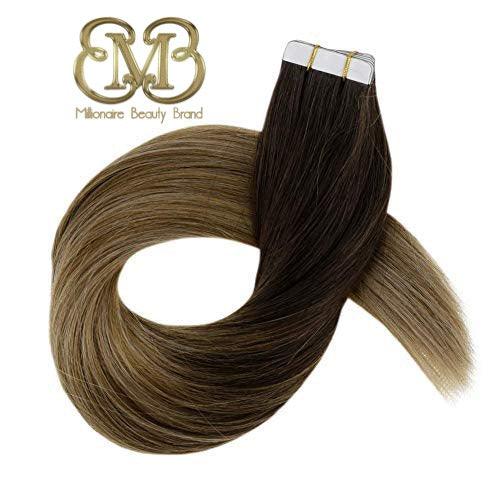
Color matching is simple to get right. The tape base is designed to match darker and medium hair colors, which helps the extensions disappear at the root. We offer 40+ shades, so most clients can find a close match before the appointment.
Texture is the other variable. Our Textured Tape-In Hair Extensions suit clients with natural wave or curl who want the extensions to blend without looking straight or flat.

Tape-In Extensions for Workouts: Sweat, Water, and Adhesive
Sweat, water, and heat are the main enemies of tape-in adhesive, and active women need to understand exactly how lightweight tape-in extensions interact with each of them. The tape-ins use a polyurethane-based adhesive that is thermally bonded to the tape.
When you sweat, the moisture sits against the tape and can weaken the adhesive over time. Keep oils and conditioners away from the root area, since they can weaken the adhesive bond.
To protect your extensions during workouts, follow these guidelines:
- Running and high-impact cardio: Sweat is inevitable, but you can reduce damage by wearing a loose headband or sweatband that absorbs moisture before it reaches the tapes. Avoid tight ponytails that pull on the roots. After your run, rinse the hair with lukewarm water as soon as possible to remove sweat and salt.
- Strength training: If you sweat heavily, blot the root area with a microfiber towel immediately after your session. Do not rub. Let the hair air-dry or use a cool dryer setting before styling.
- Swimming: Chlorine and saltwater are the harshest on tape adhesives. If you swim regularly, wear a swim cap to minimize water contact. After swimming, rinse thoroughly with fresh water and gently cleanse the lengths with a sulfate-free shampoo, keeping the tape area dry.
- Hot yoga and sauna: Heat and steam can loosen the adhesive. Limit exposure when possible, and always dry the root area thoroughly afterward with a cool dryer.
If you notice the tape edges lifting after a particularly sweaty session, resist the urge to press them back down, this can trap moisture and weaken the bond further. Instead, dry the area completely and book a quick check with your stylist.
Watch out: applying oil or conditioner at the root can weaken the bond. Keep all product away from the tape area, even after a sweaty session.
A Practical Post-Workout Routine
- Rinse the hair gently within an hour of a sweaty workout, using lukewarm water. Focus on the lengths and ends, letting water run over the tapes without scrubbing.
- Blot the tapes with a microfiber towel. Do not rub the root area.
- Dry the roots with a cool setting on the dryer, working from the scalp outward. Make sure the tape edges are completely dry before styling.
- Brush from the ends toward the root once the hair is nearly dry, using a loop brush or a wide-tooth comb to avoid pulling.
- Check the tape edges for lifting before the next session. If you feel any tackiness or see lifting, avoid washing for 24 hours and consult your stylist.
By following these steps, you can maintain a secure hold through even the most demanding workouts.
How to Care for Tape-In Extensions After Exercise
Care after exercise is mostly about keeping the root area dry and free of product. Use a sulfate-free shampoo on the lengths, apply it away from the tape, and avoid vigorous scrubbing at the roots.
Do not sleep with damp hair or pull the hair into a tight style right after training. A loose braid or low ponytail placed away from the tape edges lets the hair dry without straining the bond. Our Tape in Applicator is a tool for application only and is not meant for daily care.
Signs of Traction or Scalp Irritation to Watch For
Tape-in extensions should feel light and comfortable, but they can cause traction damage if the weight is too heavy for your natural hair or if the placement is incorrect.
Watch for these warning signs:
- Persistent tenderness or soreness: Mild tightness on the first day is normal as your scalp adjusts, but pain that lasts beyond 48 hours or worsens over time is a red flag. If you feel a constant pulling sensation, the tapes may be too heavy or placed too close to the hairline.
- Redness, itching, or bumps: These can indicate an allergic reaction to the adhesive or irritation from trapped moisture. If redness spreads or you develop small bumps, remove the extensions and consult a dermatologist.
- Hair shedding at the tape line: Some shedding is normal (we lose 50-100 hairs a day), but if you notice clumps of hair coming out when you remove the tapes or see thinning at the attachment points, the weight is likely too much for your hair.
- Lifted tape edges: When tapes lift, they can snag on hair and create pulling. Check edges weekly and avoid pressing them back down if they are contaminated with product or sweat.
- Headaches or scalp tension: Chronic headaches after application can signal that the placement is too tight. A stylist can reposition the tapes to distribute weight more evenly.
If you experience any of these signs, do not ignore them. Remove the extensions if the discomfort is severe, and see a licensed stylist who specializes in extensions. For stylists, proper installation technique, using smaller sections and avoiding tension at the root, is key to preventing traction damage. The k tip extension course covers safe placement and weight distribution in detail.
Tape-In Maintenance and Move-Up Schedule
Plan the move-up, the appointment where the tapes on your lightweight tape-in extensions are removed, cleaned and reapplied closer to the scalp, every six to eight weeks. The natural hair grows, so the tapes slowly drift away from the root if they are not moved. A regular schedule keeps the bond secure and the blend seamless.
Between appointments, keep the roots dry and product-free. Our tapes are designed for up to 2 years of use with proper care.
Realistic Cost and Value of Tape-Ins for Active Clients
Value depends on how many packs a client needs, how often she moves them up, and whether she applies the tapes herself or uses a stylist. Our Tape-In Hair Extensions page shows the full range of pack options.
Booking Your Lightweight Tape-In Fitting
Before booking your lightweight tape-in extensions, bring a list of your training days, your hair texture, and any areas where you already see thinning. A stylist can then recommend pack count and placement that suit your routine.
The Tape-In Hair Extensions page shows the full range.
Lightweight tape-ins give active women length and volume without sacrificing comfort, provided the weight, placement and care match the routine. Millionaire Beauty Brand Extensions offers the hair, tools and training to get that balance right. Start with a fitting and build your plan from there.
Frequently Asked Questions
Are tape-in extensions comfortable for workouts?
Lightweight tape-ins are designed with an ultra-flat base. Comfort depends on hair type, the weight of the pieces, and how tightly the ponytail or bun is secured. Keep the tape away from tight elastics and heavy clips, and check the fit after your first few sessions. If you notice tenderness at the roots, reduce tension and speak with your stylist about adjusting the placement.
Do tape-in extensions stay secure when you sweat?
Tape-ins use a polyurethane-based adhesive that is thermally bonded, and the product listing describes it as strong yet gentle on natural hair. Avoid oils or conditioner at the root area.
How often do tape-in extensions need to be moved up?
Tape-in extensions are often described as needing a touch-up every six to eight weeks, as the natural hair grows and the bond moves away from the scalp. Active clients who sweat often may schedule maintenance on the earlier end of that window. Your stylist can check the bond and reposition the tapes to keep the fit flat and secure.
