

Human Hair Extensions for Fine Hair: 2026 Guide
Table of Contents
- Why Fine Hair Needs a Different Approach to Extensions
-
The Best Human Hair Extensions for Fine Hair in 2026
- Halo Extensions: The Wire Method With Zero Attachment Points
- Clip-In Extensions: Instant Volume in Under 30 Seconds
- Genius Wefts: Flat, Lightweight, and Built for Fine Strands
- Hand-Tied Wefts: Professional Application for Seamless Blending
- Tape-In Extensions: Discreet Panels for Natural Movement
- Micro-Link and Hot Fusion: Strand-by-Strand Attachment
- Tape-In vs Clip-In for Fine Hair: Which Method Protects Your Strands
- Best Human Hair for Hair Loss: Toppers and Low-Density Options
- How to Maintain Hair Extensions on Fine Hair
- Weight Distribution and Tension: Protecting Fine Hair From Breakage
- Frequently Asked Questions
Last Updated: September 18, 2026
Why Fine Hair Needs a Different Approach to Extensions
Fine hair has fewer strands per square inch and each strand is thinner in diameter. That combination makes it far less tolerant of weight, tension, and adhesive than medium or thick hair. According to Fortune Business Insights' 2026 hair extension market report, the global hair extension market reached USD 3.05 billion in 2026, and a growing share of that demand now comes from clients with fine or thinning hair.
The Best Human Hair Extensions for Fine Hair in 2026
The best human hair extensions for fine hair are lightweight, low-tension systems: halos, clip-ins, genius wefts, hand-tied wefts, tape-ins, and micro-links. Each distributes weight differently, and that difference decides whether your natural hair thrives or thins further. Industry guidance from Beautico's 2026 guide to extensions for fine and thin hair notes that while a standard full head of tape-ins runs 40 to 60 panels, fine-haired clients are typically advised to use fewer panels for a lightweight finish.
| Method | Attachment | Best For | Fine-Hair Weight |
|---|---|---|---|
| Halo | Invisible wire | Zero-commitment volume | Lightest |
| Clip-in | Silicone-lined clips | Instant, occasional wear | Light |
| Genius weft | Beaded row | Invisible everyday volume | Light |
| Hand-tied weft | Bead and thread | Salon-installed blending | Light-medium |
| Tape-in | Polyurethane adhesive | Discreet daily wear | Medium |
| Micro-link | Keratin capsule and ring | Strand-by-strand control | Medium |
Halo Extensions: The Wire Method With Zero Attachment Points
Halo extensions use a transparent adjustable wire that sits around the crown like a headband, with no glue, clips, tape, or sewing touching your natural hair, making them the safest starting point for fragile strands. Millionaire Beauty Brand Extensions' Halo Color 24 is built from 100% Remy human hair from a single donor, with cuticle alignment that resists tangling. Application takes under two minutes, and the hair can be curled, straightened, or toned.

Clip-In Extensions: Instant Volume in Under 30 Seconds
Clip-ins are the fastest route to fullness, and modern silicone-lined clips grip without pulling. Expert testing of 47 clip-in products over six months found that the optimal spacing between wefts on fine hair is 1.5 to 2 inches, which prevents tension and keeps the blend natural (Juvabun's 2026 clip-in testing results). The Millionaire Artistry Hair Clip-In delivers 170 grams across a seven-piece kit, and for fine hair one full kit is typically enough for volume and length without bulk.

Genius Wefts: Flat, Lightweight, and Built for Fine Strands
Genius wefts are ultra-thin, hand-sewn strips that lay flat against the scalp and can be cut without unraveling. [Each bundle of Genius Weft Color 60](https://millionairebeautybrandextensions.com/products/genius-weft-color-60) holds 100+ grams of Slavic human hair, which is finer in diameter and blends beautifully with fine to medium textures. For low-density hair, one bundle covers natural fullness at 18 to 22 inches. The beaded-row install uses no glue or tape, distributes weight evenly, and allows high ponytails.
Hand-Tied Wefts: Professional Application for Seamless Blending
Hand-tied wefts are sewn onto a bead foundation with thread, never adhesive, and their ultra-thin construction lies flat for an undetectable finish. Millionaire Beauty Brand Extensions' hand-tied wefts come in straight, wavy, curly, 3A, and deep water textures. Fine or thin hair needs just one to two rows, or 100 to 150 grams total. A stylist should handle installation, with adjustments every six to eight weeks.

Tape-In Extensions: Discreet Panels for Natural Movement
Tape-ins sandwich a thin strip of your own hair between two adhesive panels, creating a flat, discreet attachment point. The Tape-In Color 1B uses a polyurethane-based glue that is thermally soldered for reliable hold, reinforced with a wig net base, and color-matched on dark and medium shades. Each pack holds 20 tapes and 50 grams. Keep oil and conditioner away from the roots.
Micro-Link and Hot Fusion: Strand-by-Strand Attachment
Micro-links and hot fusion attach hair lock by lock, giving the most precise control over density and placement. Micro Links use miniature metal rings and wear-proof keratin capsules; a full install takes 125 to 150 capsules, or about 100 grams. Hot Fusion Color 10 uses handmade Italian keratin capsules and works even on hair as short as 2 centimeters. Both suit fine hair because you choose exactly how much goes where, though installation is slow and requires a professional.
Tape-In vs Clip-In for Fine Hair: Which Method Protects Your Strands
For fine hair, clip-ins win on hair health and tape-ins win on wear time. Clip-ins touch your strands only at the silicone-lined clip and come out before bed, so there is no continuous tension. Tape-ins stay in for weeks, so adhesive sits against delicate strands around the clock and requires careful removal to avoid pulling. If protecting fragile hair is your priority, start with clip-ins.
Best Human Hair for Hair Loss: Toppers and Low-Density Options
The best human hair for hair loss is a low-density topper with a breathable base, not a full set of extensions. Toppers cover thinning at the crown and part line while blending into existing hair, adding coverage without stressing fragile roots. The Mono Base Hair Topper uses a fine monofilament base where each strand is hand-tied, so you can part it in any direction and create a realistic scalp illusion.
How to Maintain Hair Extensions on Fine Hair
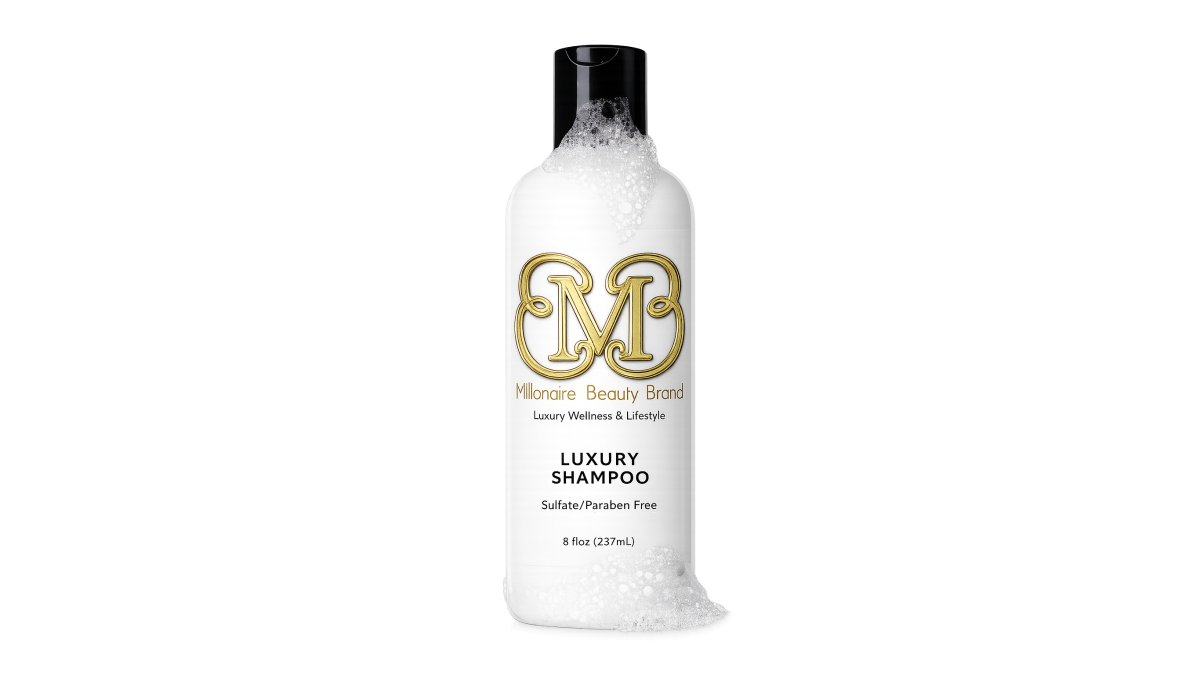
Maintaining extensions on fine hair comes down to gentle brushing, sulfate-free washing, heat protection, and keeping every attachment point completely dry. Fine strands have a smaller cortex and thinner cuticle layer, so they abrade faster under friction and shed moisture faster than medium or coarse hair. Every habit below reduces friction at the attachment point and keeps the natural strand hydrated enough to flex without snapping.
- Brush from ends upward, two to three times daily, holding the top row
- Wash two to three times weekly with sulfate-free shampoo
- Condition mid-length to ends only, never at the roots
- Blow dry the attachment area completely after every wash
- Apply heat protectant and keep tools below 350°F
- Sleep in a loose braid on a silk pillowcase
- Book a move-up appointment every six to eight weeks
Weight Distribution and Tension: Protecting Fine Hair From Breakage
Weight distribution decides whether extensions strengthen your look or slowly break your hair. Fine strands have less structural support, so every gram matters, and the load should spread across more attachment points rather than concentrate in fewer, heavier sections. Stylists report that fine-haired clients tolerate roughly 100 to 150 grams total for a full head, versus 200 grams or more for medium and thick hair, though the right number depends on density, strand diameter, and the length you are adding.
Four mechanisms drive most tension injuries:
- Panel count too low for the weight. Fewer, heavier wefts concentrate the load. Adding a row is usually safer than adding grams to an existing row.
- Attachment points too close together. Crowded beads or tapes pull on the same patch of scalp. Spacing rows at least an inch apart distributes the load.
- Install tension that is too tight from day one. A fresh install should feel snug, never painful. If you cannot comfortably lie on your side the first night, the install is too tight and should be redone.
- Grow-out between appointments. As natural hair grows, the attachment migrates away from the scalp and the same weight now hangs from a longer lever arm. This is why the six-to-eight-week move-up window matters more for fine hair than for any other texture.
Frequently Asked Questions
What type of hair extensions are best for fine, thin hair?
Halo extensions and lightweight clip-ins are the safest starting points for fine hair because they use no glue, tape, or tension on the scalp. Genius wefts made from fine-diameter Slavic hair also blend well with delicate strands. The 2026 clip-in market reached $1.20 billion, driven partly by demand from fine-haired users who want volume without commitment. Whichever method you choose, keep the total weight low and spacing between attachment points at 1.5 to 2 inches.
Do human hair extensions damage fine hair?
Poorly fitted extensions using heavy glue or excessive tension can cause traction alopecia and mechanical damage to fine strands, according to Mark Glenn Hair Enhancement. The risk drops significantly when you choose low-tension methods like halos, lightweight clip-ins, or properly installed wefts. Fine hair has fewer strands per square inch, so every attachment point carries more load. Keeping panels spaced 1.5 to 2 inches apart and using silicone-lined clips or bead-and-thread methods distributes weight evenly and protects hair integrity.
How do tape-in and clip-in extensions compare for fine hair?
Tape-ins sit flat against the scalp and disappear under thin hair, but they require adhesive that can stress delicate roots during removal. Clip-ins go on and off in seconds with zero commitment, making them the lower-risk option for fine hair. A typical full head of tape-ins uses 40 to 60 panels, though fine-haired clients often need fewer. Clip-in wefts should be spaced 1.5 to 2 inches apart. If you want the most damage-free option, start with clip-ins or halos.
How long do human hair extensions last on fine hair?
Lifespan depends on the method. Halo extensions from Millionaire Beauty Brand Extensions last one year or longer with proper care. Clip-ins can last up to 3+ years with proper care. Hand-tied wefts require maintenance appointments every six to eight weeks. Tape-ins can last up to 2 years with proper care. The global hair extension market is growing at 8.1% annually through 2035, and fine-haired users get the most longevity by washing with sulfate-free shampoo, brushing from ends upward, and storing extensions flat.
Can I wear clip-in extensions with very fine hair without them showing?
Yes, if you choose the right weft width and clip placement. Fine hair conceals thin, flat wefts better than bulky ones because there is less natural volume to create contrast. Space wefts 1.5 to 2 inches apart, start from the nape and work upward, and use silicone-lined clips that grip without slipping. Millionaire Beauty Brand Extensions clip-ins use a seven-piece kit with double-weft construction and silicone-lined clips designed to hold securely without pulling. One full kit (170 grams) is typically enough for fine hair.