

How to Choose Premium Hair Extensions: 2026 Guide
Table of Contents
- Understanding Premium Hair Extensions
- Virgin Hair vs Remy Hair Extensions: What's the Difference
- How to Choose the Right Hair Extension Method for Your Needs
- Matching Extensions to Your Hair Texture and Color
- How to Maintain Human Hair Extensions for Longevity
- Professional Installation vs. DIY: Making the Right Choice
- Evaluating Quality, Cost, and Ethical Sourcing
- Frequently Asked Questions
Last Updated: September 18, 2026
Understanding Premium Hair Extensions
Premium hair extensions represent a significant investment in your appearance and confidence. Unlike mass-produced alternatives, premium hair extensions are crafted from 100% human hair with superior cuticle alignment and durability. The global hair extension market was valued at $3.1 billion in 2026, with the premium segment specifically projected to grow at a compound annual growth rate of 10.8% through 2033, according to Grand View Research's premium hair segment analysis. This growth reflects increasing demand from consumers who recognize that quality matters, both in how extensions look and how long they last.
Premium extensions maintain intact cuticles, blend seamlessly, accept color treatments, and withstand heat styling. At Millionaire Beauty Brand Extensions, we provide professional-grade extensions.
The decision to invest in premium hair extensions shouldn't be rushed. According to Custom Market Insights' 2026 market analysis, 78% of salon clients request hair extensions, yet many don't understand the critical differences between quality tiers. This guide walks you through exactly how to choose premium hair extensions that match your hair texture, lifestyle, and budget.
Virgin Hair vs Remy Hair Extensions: What's the Difference
Virgin hair is human hair that has never been chemically processed, colored, or treated. It retains its original cuticle alignment and natural shine. Remy hair is human hair where the cuticle layer remains intact and aligned in the same direction, but it may have been previously colored or processed. The distinction matters because cuticle alignment directly affects how the hair behaves.
Virgin hair accepts color predictably and resists tangling because cuticles run in the same direction. When cuticles are misaligned, hair becomes prone to matting and shedding. Virgin hair offers superior longevity and styling versatility for premium applications.
The cost difference between virgin and Remy reflects this performance gap. Virgin hair typically costs 20-30% more than Remy, but that premium translates directly into fewer replacements and better styling results. When evaluating premium hair extensions, verify that your supplier sources virgin hair, not just Remy, if longevity is your priority. The presence of professional stylists and in-store experts significantly increases customer confidence when selecting premium human hair products, according to Custom Market Insights' consumer research.
How to Choose the Right Hair Extension Method for Your Needs
Three primary methods dominate the professional market: tape-in, clip-in, and fusion/microlink systems. Each offers distinct advantages depending on your hair type, lifestyle, and commitment level.
Tape-In Extensions
Tape-in extensions use adhesive to bond wefts 1-2 inches from the scalp. Application takes 60-90 minutes and requires reapplication every 6-8 weeks as hair grows.
Tape-ins work well for fine hair or those concerned about traction alopecia, as they distribute weight across a wider surface area than microlinks, creating less tension. They're also the fastest to apply and remove.
Tape-ins require monthly salon visits for repositioning. Adhesive degrades with heat exposure, so frequent blow-drying or straightening shortens the lifespan between applications.
Clip-In Extensions
Clip-in extensions attach via small metal clips and are temporary, applied in the morning, removed at night. Application takes 5-10 minutes with zero scalp involvement.
Clip-ins excel for special occasions, testing new looks, or sensitive scalps. They cause no traction stress but daily application and removal can weaken hair where clips attach.
Premium clips from Millionaire Beauty Brand Extensions grip securely without snagging.
Fusion and Microlink Extensions
Fusion extensions use heat-activated keratin bonds; microlink extensions use tiny metal cylinders. Both are semi-permanent and last 3-4 months before removal and reapplication.
Fusion and microlink methods create seamless integration by working with individual strands. They're ideal for high ponytails or updos. Application takes 3-5 hours with a skilled technician.
Fusion and microlinks require professional removal and more frequent maintenance with special brushing and sulfate-free products. They aren't recommended for very fine or fragile hair.
Matching Extensions to Your Hair Texture and Color
Seamless integration depends on matching extensions to your natural hair texture and color.
Digital Complete comprehensive manual →
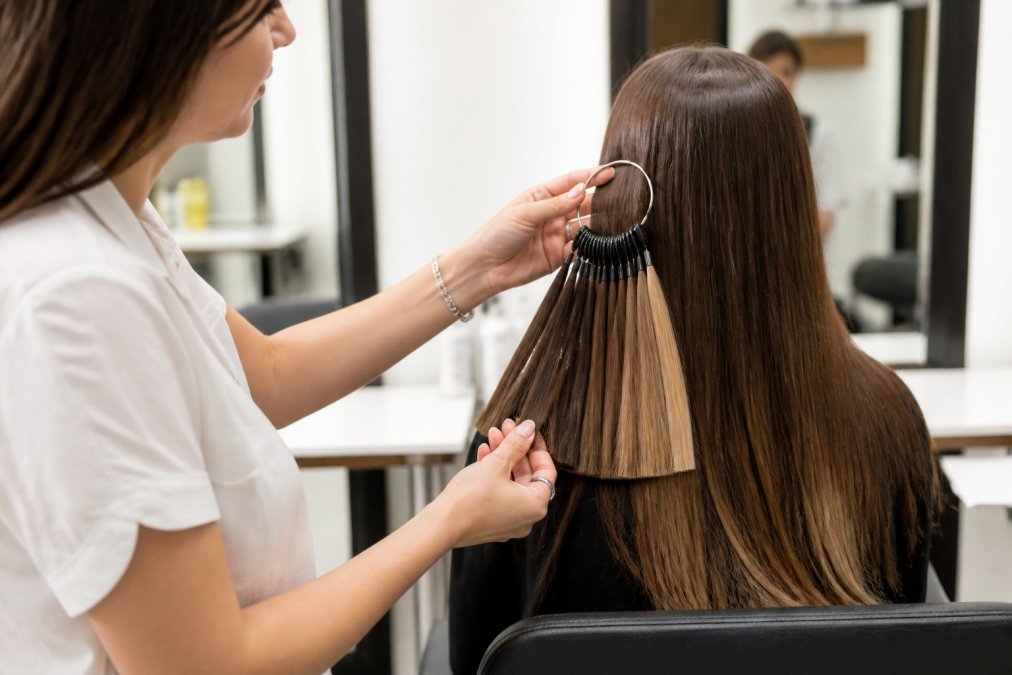
Texture matching starts with understanding your hair's wave pattern.
If coloring extensions after installation, verify they're virgin hair.
How to Maintain Human Hair Extensions for Longevity
Premium extensions require specific care. Once damaged, they can't repair themselves.
Deep condition after shampooing for 5-10 minutes.
Professional Installation vs. DIY: Making the Right Choice
Professional installation guarantees proper attachment and techniques that protect your natural hair. DIY risks poor results and damage.
For fusion and microlink extensions, professional installation is essential.
Evaluating Quality, Cost, and Ethical Sourcing
Premium extensions command premium prices reflecting genuine quality differences.
Quality indicators include cuticle alignment, hair density, and processing methods. Hair density affects how full and natural extensions look.
| Factor | Budget Extensions | Premium Extensions | Why It Matters |
|---|---|---|---|
| Cuticle Alignment | Partial or stripped | Fully intact (virgin) | Affects tangling, lifespan, styling options |
| Hair Density | Sparse wefts | Dense, full wefts | Determines how natural and voluminous the blend appears |
| Processing Method | Heavy chemical processing | Minimal processing | Affects softness, shine, and durability |
| Ethical Sourcing | Unclear supply chain | Transparent sourcing | Ensures fair practices and quality assurance |
| Expected Lifespan | 3-6 months | 12-18 months | Determines true cost per month of wear |
| Styling Versatility | Limited heat tolerance | Accepts heat styling | Affects how you can style your hair daily |
Frequently Asked Questions
What is the difference between Remy and virgin hair extensions?
Remy hair maintains cuticle alignment in one direction, reducing tangling and extending lifespan compared to non-Remy options. Virgin hair is unprocessed Remy hair that has never been chemically treated, offering superior softness, shine, and styling versatility. Both are premium options, but virgin hair typically commands higher prices due to its pristine condition. Choose virgin hair if you plan frequent heat styling; Remy works well for clients seeking quality at a slightly lower price point.
How long do premium human hair extensions typically last?
Lifespan depends on application method, wear frequency, and care routine. Tape-in extensions generally last 6 to 8 weeks before repositioning is needed, though the hair itself remains usable for months. Clip-in extensions can last if stored correctly. Professional installation and adherence to maintenance schedules (sulfate-free products, minimal heat, regular conditioning) significantly extend durability and reduce shedding and matting.
What should I look for when buying professional-grade extensions?
Professional-grade extensions should feature 100% human hair with cuticle alignment (Remy or virgin grade), and seamless integration with your natural hair. Check for heat-styling capability, weight distribution that prevents traction alopecia, and color consistency across the entire length. Request documentation of ethical sourcing practices. Reputable brands like Millionaire Beauty Brand Extensions offer 40+ shades for precise color matching, and in-house formulated care products. Professional stylists should use certified application methods and provide maintenance guidance.
How can you tell if hair extensions are high quality?
High-quality extensions exhibit minimal shedding, tangle-free texture, and consistent color throughout. The hair should feel soft, move naturally, and maintain its appearance after washing and styling. Premium options use virgin or Remy hair with intact cuticles, and proper weight distribution to protect scalp health. Ask for strand-by-strand application proof or before-and-after transformations. Brands backed by professional stylists and offering satisfaction guarantees demonstrate confidence in their product quality. Avoid extensions with visible matting or inconsistent density.
Are synthetic hair extensions ever considered premium?
Synthetic hair extensions are not typically classified as premium due to limitations with heat styling, durability, and natural appearance. Premium extensions are almost exclusively 100% human hair because human hair offers superior styling versatility, longevity, and seamless blending with natural hair. Synthetic options cannot be heat-styled without damage, tend to tangle more easily, and lack the movement and shine of human hair. For clients seeking true luxury and versatility, human hair extensions remain the only premium choice, though they require greater investment and maintenance commitment.
What type of hair extensions are best for fine hair?
For fine hair, tape-in extensions are ideal because they distribute weight evenly and minimize traction alopecia risk. Avoid heavy fusion or microlink methods that concentrate weight on small sections of hair. Choose extensions with lighter density and thinner wefts to prevent stress on delicate strands. Consult a professional stylist to assess your hair's tensile strength and determine safe application methods. Proper weight distribution and regular maintenance appointments are essential to protect fine hair from damage.
How often should I maintain my premium hair extensions?
Maintenance frequency depends on your application method and lifestyle. Tape-in extensions require repositioning every 6 to 8 weeks as natural hair grows. Clip-in extensions need daily inspection for tangling and weekly deep conditioning. Use sulfate-free, silicone-free products exclusively, and avoid excessive heat styling. Following a structured maintenance schedule preserves lifespan, prevents damage to natural hair, and keeps extensions looking polished.
What makes Millionaire Beauty Brand Extensions different from other premium brands?
Millionaire Beauty Brand Extensions offers 100% human hair with professional-grade application systems, 40+ shades for precise color matching, and in-house formulated hair and skin care products designed to nourish your scalp. Same-day shipping for orders before 12:00 PM PST and free worldwide shipping ensure accessibility. The brand combines luxury styling with scalp health focus, backed by real client testimonials praising softness, curl pattern matching, and long-lasting quality. Professional education options like the Millionaire Stylist Academy ($10,000) and monthly live education ($29.99/month) support stylists in delivering expert installations and ongoing client care.