

Scalp Care Essentials for Wig Wearers
Table of Contents
- Why Scalp Care Matters for Wig Wearers
- Washing and Cleansing Your Scalp Under a Wig
- How to Prevent Itchy Scalp Under Wig
- Scalp Buildup Removal for Wig Users
- Moisturizing and Hydrating Your Scalp
- Protecting Natural Hair Under Wigs
- Establishing Your Wig Scalp Care Routine
- Frequently Asked Questions
Last Updated: September 22, 2026
Why Scalp Care Matters for Wig Wearers
Your scalp is the foundation of healthy hair, whether you're wearing extensions, toppers, or luxury sheitels. When you cover your scalp with a wig for extended periods, you're creating an environment that's warm, moist, and prone to buildup. That's why scalp care essentials for wig wearers go beyond basic hygiene, they're about preventing irritation, maintaining follicle health, and ensuring your natural hair thrives underneath.
The most common complaint among wig wearers is itching, flaking, and product residue that builds up within weeks. The solution isn't complicated, but it does require intention.
According to research on scalp health from the National Institutes of Health, scalp care is essential because it determines the health and condition of hair and prevents diseases of the scalp and hair. The data backs this up: Highlight's 2026 consumer insights report found that 43% of consumers identify dry scalp as a top priority in their hair care routine, while 41% cite hair breakage and 39% report hair thinning concerns.
The challenge for wig wearers is that standard hair care routines don't account for the unique pressures of wearing a hairpiece. Your scalp experiences restricted airflow, increased moisture retention, and constant friction from the cap or adhesive. Neglect these factors, and you'll face itching, follicle damage, and accelerated hair loss. Address them proactively, and your natural hair stays strong while your wig remains comfortable all day.
Washing and Cleansing Your Scalp Under a Wig
The foundation of scalp care essentials for wig wearers is establishing a consistent cleansing routine that removes buildup without stripping natural oils. Most wig wearers make one of two mistakes: they either wash their scalp too infrequently, allowing product residue and sebum to accumulate, or they use harsh cleansers that damage the moisture barrier.
For daily wig wearers, washing your scalp every 5-7 days strikes the right balance. This frequency removes buildup while preserving the natural oils your scalp needs to stay healthy. When you wash, use a sulfate-free shampoo that cleanses without stripping, the Millionaire Beauty Brand Extensions Luxury Shampoo is formulated with organic botanicals and contains no sulfates or parabens, making it ideal for scalp health under wigs.

The technique matters as much as the product. Remove your wig or cap, then use your fingertips (not your nails) to massage the shampoo into your scalp in gentle circular motions. This stimulates blood flow to hair follicles and ensures the cleanser reaches all areas. Pay special attention to your hairline, crown, and any areas where your wig cap sits most snugly, these zones accumulate the most residue.
After shampooing, rinse thoroughly with lukewarm water. Residual shampoo left on your scalp will cause itching and flaking, so don't rush this step. If you have product buildup from adhesive or styling products, a clarifying shampoo can help remove stubborn residue without the need for harsh scrubbing.
How to Prevent Itchy Scalp Under Wig
An itchy scalp under a wig is one of the most common, and most preventable, problems wig wearers face. The itching usually stems from three sources: moisture buildup, product residue, or direct irritation from the wig cap material or adhesive.
Start by examining your wig cap material. Breathable caps allow air circulation and reduce moisture retention, which is why they're worth the investment. If you're using adhesive, look for formulas designed for sensitive scalps. Many wig adhesives contain ingredients that trigger contact dermatitis in susceptible individuals, so switching to a gentler formula or using a scalp protector underneath can eliminate itching entirely.
Scalp protectors, thin barrier products applied before your wig, create a buffer between your scalp and the cap or adhesive. This simple step prevents direct contact irritation and reduces moisture buildup. Apply a lightweight protector to your entire scalp, focusing on areas where your wig cap sits most tightly.
Between washes, use a lightweight leave-in conditioner to hydrate your scalp without creating residue. The Millionaire Beauty Brand Extensions Luxury Leave-In Conditioner is formulated to be lightweight and hydrating, and it can be applied directly to your scalp every day or twice weekly depending on your scalp's condition. This prevents the dry, tight sensation that often triggers itching.

If itching persists despite these steps, consider whether your wig cap is too tight. A snug fit is necessary for security, but excessive tension restricts blood flow and increases irritation. You may need to have your wig adjusted by a professional stylist.
Scalp Buildup Removal for Wig Users
Product buildup is inevitable for wig wearers. Adhesive residue, conditioner, dry shampoo, styling products, and natural sebum accumulate on your scalp and create a barrier that traps moisture and prevents your scalp from breathing. Over time, this buildup causes itching, flaking, and follicle damage.
The most effective approach is prevention through regular cleansing, but if buildup has already accumulated, you'll need a deeper cleanse. A clarifying shampoo removes stubborn residue in one or two applications. Use it weekly for two to three weeks if you have significant buildup, then switch to maintenance mode, once monthly is usually sufficient.
For adhesive-specific buildup, some wig wearers use an apple cider vinegar rinse after shampooing. Mix one part apple cider vinegar with three parts water, pour it over your scalp, let it sit for 2-3 minutes, then rinse thoroughly. The acidity helps dissolve adhesive residue and restore pH balance.
Never use a scalp scrub with harsh exfoliants if you're a daily wig wearer. Your scalp is already under stress from the wig, and aggressive scrubbing can cause micro-tears in the skin, leading to irritation and infection.
Moisturizing and Hydrating Your Scalp
Once you've established a cleansing routine, hydration is the next critical step in scalp care essentials for wig wearers. A moisturized scalp is less prone to itching, flaking, and irritation, and it supports healthier hair growth underneath your wig.
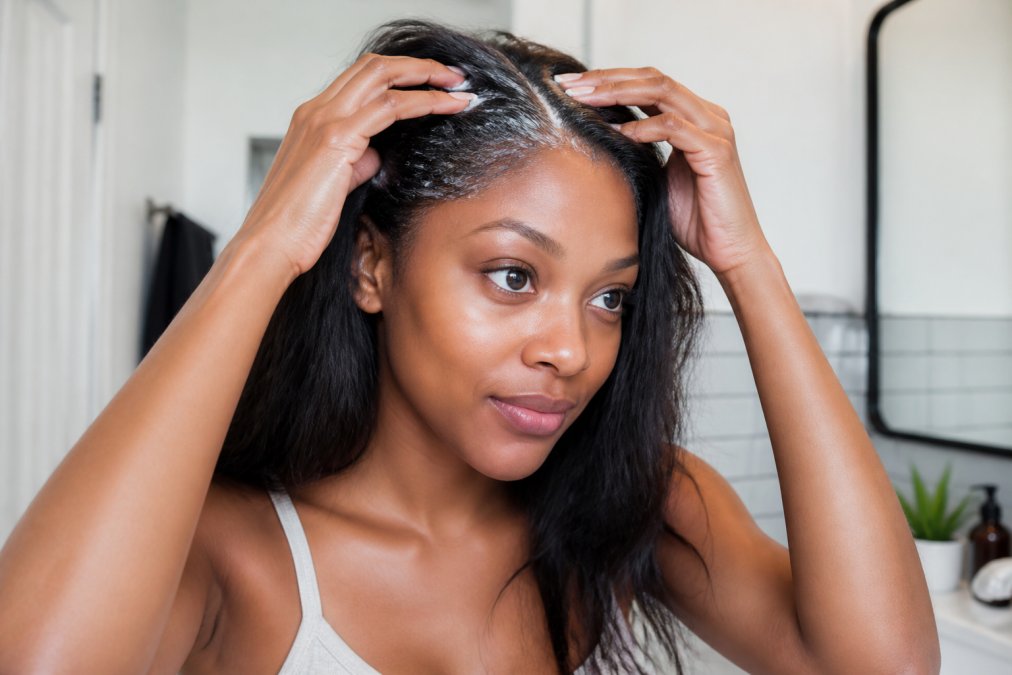
The challenge is finding products that hydrate without creating buildup or feeling greasy under a wig cap. Lightweight formulas are essential. Heavy oils and thick creams trap moisture against your scalp and create the exact conditions that cause problems.
The Millionaire Beauty Brand Extensions Luxury Conditioner, infused with hemp seed oil, provides deep hydration without heaviness. Apply it to your scalp after shampooing, focusing on areas that feel dry or tight. Leave it on for 3-5 minutes, then rinse thoroughly. This conditioner is safe for color-treated hair and extensions.
For daily hydration between washes, use a leave-in conditioner. Apply it to a damp scalp in small amounts, focusing on dry areas. The Luxury Leave-In Conditioner from Millionaire Beauty Brand Extensions is designed for this purpose, it's lightweight, hydrating, and infused with ingredients to help your hair grow fast and luxurious. You can use it daily or twice weekly depending on your scalp's condition.

Hydration also means water intake. Drinking adequate water supports overall skin and scalp health. While topical products matter, internal hydration is equally important for preventing dryness and maintaining a healthy moisture barrier.
Protecting Natural Hair Under Wigs
Your natural hair needs protection from the friction, tension, and moisture imbalance that comes with wearing a wig. The right protective practices ensure your hair stays strong and healthy underneath.
Start with a wide-tooth comb to detangle your natural hair before putting on your wig. This prevents breakage and distributes natural oils throughout your hair shaft. Never comb wet hair aggressively, wet strands are more fragile. Use a detangler spray if needed, then comb gently from the ends upward.
When securing your wig, avoid excessive tension.
Establishing Your Wig Scalp Care Routine
A sustainable scalp care routine for wig wearers doesn't require hours or expensive products, it requires consistency and the right approach. Here's a framework you can adapt to your specific needs:
| Step | Frequency | Duration | Product |
|---|---|---|---|
| Scalp cleanse with shampoo | Every 5-7 days | 10 minutes | Sulfate-free shampoo |
| Deep conditioning | After each wash | 5 minutes | Luxury Conditioner |
| Leave-in hydration | Daily or 2x weekly | 5 minutes | Luxury Leave-In Conditioner |
| Clarifying treatment | Once monthly | 10 minutes | Clarifying shampoo (as needed) |
| Scalp massage | 2-3x weekly | 5 minutes | Fingertips or massage tool |
| Wig-free time | Daily | 4+ hours | None |
Frequently Asked Questions
How often should I wash my scalp while wearing a wig?
Wash your scalp every 5 to 7 days to maintain a balance between cleanliness and necessary moisture retention. This frequency prevents sebum buildup and scalp irritation while protecting your natural hair's moisture barrier. If you wear your wig daily, you may need to cleanse more frequently. Use a sulfate-free shampoo like Luxury Shampoo to avoid stripping your scalp of essential oils.
What is the best way to prevent itchy scalp under a wig?
Prevent itching by maintaining consistent scalp hygiene, using breathable wig caps, and avoiding contact dermatitis triggers. Wash your scalp regularly with gentle, non-stripping cleansers, apply lightweight hydrators to your scalp, and allow air circulation between wears. Choose wig caps made from breathable materials and consider scalp protectors. If itching persists, consult a dermatologist to rule out allergic reactions or scalp conditions.
Can wearing a wig cause scalp buildup?
Yes, wigs can trap sebum, product residue, and dead skin cells, leading to buildup that clogs follicles and causes irritation. Prevent buildup by washing your scalp every 5 to 7 days and using clarifying shampoo monthly. Remove your wig regularly to allow your scalp to breathe. If buildup occurs, use a clarifying shampoo to remove residue.
How do I protect my natural hair while wearing a wig?
Protect your hair by using a breathable wig cap, avoiding tight braids or buns under the wig, and maintaining a healthy scalp care routine. Detangle gently with a wide-tooth comb before wearing your wig, apply leave-in conditioner to prevent dryness, and allow your hair to air dry whenever possible. Wash your scalp every 5 to 7 days and condition your natural hair regularly. Remove your wig for at least one day per week to reduce tension and promote hair health.