

Bellami Hair Alternative for Thin Hair: 5 Safer Options
Table of Contents
- Why Bellami Isn't Always the Best Fit for Thin Hair
- Quick Comparison: Top Bellami Alternatives for Fine Hair
- Halo Extensions: The Zero-Damage Bellami Alternative for Thin Hair
- Genius Wefts: Lightweight Extensions for Fine Hair That Disappear
- Choosing the Best Human Hair for Hair Loss: What to Look For
- How to Maintain Hair Extensions for Thin Hair Without Causing Damage
- Final Verdict: Which Alternative Should You Pick?
- Frequently Asked Questions
Last Updated: September 7, 2026
Why Bellami Isn't Always the Best Fit for Thin Hair
The search for a Bellami hair alternative for thin hair usually starts after a frustrating realization: the wefts feel heavy, the tracks show through, or the weight of the installation starts pulling at fragile strands. While Bellami's hand-tied wefts are frequently recommended for fine hair, salon professionals and stylists increasingly point out that the quality-to-price ratio may not justify the cost for every user, particularly when hair texture longevity becomes a concern. Industry guidance from CK Studio Salon's guide on extensions for fine hair emphasizes that lightweight tape-ins and small-bond K-tip or I-tip installations are often preferred over heavier weft methods for thin hair.
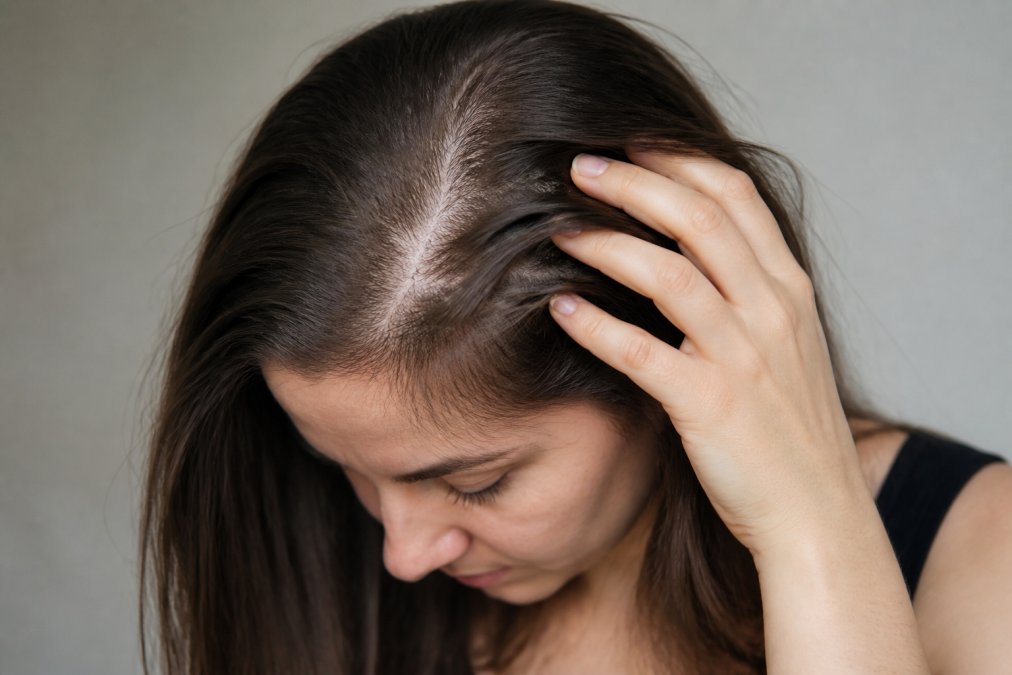
The real issue is weight distribution. Thin hair cannot support the same gram weight as medium or thick hair without risking traction alopecia, a form of hair loss caused by prolonged pulling on the roots. A common mistake is choosing extensions based on length alone, ignoring the density of the natural hair underneath.
Quick Comparison: Top Bellami Alternatives for Fine Hair
Choosing the right system comes down to three factors: how much weight your hair can carry, how long you want to wear them, and whether you prefer professional installation or DIY application. The table below summarizes the safest alternatives for thin and fine hair.
| Extension Type | Weight per Set | Attachment Method | Best For | Price Point |
|---|---|---|---|---|
| Halo | Ultra-light, no bonds | Invisible wire, no adhesive | Zero-damage volume, events | $480.00 |
| Genius Wefts | 100+ grams, ultra-thin | Hand-tied beaded row | Invisible installs, long wear | $442.89 |
| Clip-Ins | 170 grams full kit | Silicone-lined clips | Temporary volume, DIY | $318.00 |
| Micro Links | 100 grams per full set | Keratin capsules, no glue | Fine hair needing discreet bonds | $286.00 |
| Tape-Ins | 50 grams per pack | Hypoallergenic adhesive | Low-profile volume | $145.76 |
The Weight-to-Density Ratio: Why Grams Matter More Than Length
A 170-gram clip-in set might look stunning on someone with medium-thick hair, but on a fine-haired wearer with low density, that same set can cause traction alopecia within weeks. The safe threshold for thin hair is generally 80 to 120 grams for a full head of semi-permanent extensions.

Scalp Sensitivity and Hypoallergenic Materials
Thin hair often coexists with a sensitive scalp. The issue is not just weight; it is the material touching the skin. Standard adhesive tapes contain latex or acrylic-based glues that can cause contact dermatitis, leading to itching, redness, and even more hair loss from scratching. For tape-ins, look for medical-grade, hypoallergenic adhesive that is latex-free and dermatologist-tested. For micro links, the keratin capsules should be free of PPD and other common allergens. A patch test on the inside of your wrist, 24 hours before installation, is non-negotiable for anyone with a history of skin sensitivity.
Attachment Method and Tension Mechanics
Each attachment method applies tension differently to the hair follicle:
- Halo: Zero tension on individual strands. The wire rests on the scalp, and your natural hair is pulled over it. This is the only method that does not rely on anchoring to your own hair, making it the safest for advanced thinning.
- Genius Wefts (Hand-Tied Beaded Row): Tension is distributed across a row of beads attached to small sections of your natural hair. A proper install uses micro-beads (2-3mm) and no more than 10-15 strands of natural hair per bead. Larger beads or too much hair through each bead concentrate tension on fewer follicles, increasing breakage risk.
- Tape-Ins: The adhesive sandwich creates a broad surface area, distributing weight well, but the risk is in removal. Pulling tape off without a solvent can rip out natural hair. Safe removal uses a specialized adhesive remover and a slow, downward peel.
- Micro Links: These are small, silicone-lined beads that clamp onto your natural hair. The danger is over-tightening. A correctly applied link should slide slightly up and down the hair shaft when gently pushed, but not so much that it slips off. Over-tightening cuts off blood flow to the follicle.
- Clip-Ins: The clips are the risk point. They grip the hair at the root, and if left in for more than 8 hours, they can cause traction damage. Silicone-lined clips are essential because they grip without the harsh teeth of metal clips.
The Hidden Cost of 'Cheap' Alternatives
Price per set is only the upfront cost. The true cost includes maintenance (move-ups every 6-8 weeks for wefts and tape-ins), professional installation fees, and the potential cost of repairing damaged natural hair. A $145.76 tape-in set might seem budget-friendly, but if it requires a $150 salon visit every 6 weeks for a move-up, the annual cost exceeds $1,200. Conversely, a $480.00 halo system has zero maintenance costs and can be worn for years if cared for properly.
The Verdict on the Table
For most thin-haired users, the halo system is the safest starting point because it carries zero risk of traction alopecia. If you need a semi-permanent solution, Genius Wefts with micro-beads are the best balance of invisibility and weight distribution, provided you have a skilled stylist. Tape-ins are viable only if you commit to professional removal. Clip-ins are acceptable for occasional events, but never for all-day wear.
Halo Extensions: The Zero-Damage Bellami Alternative for Thin Hair
The halo method is the safest Bellami hair alternative for thin hair because it requires no glue, no clips, no sewing, and no tape. A thin, transparent wire sits around the crown of your head, and your natural hair is pulled over it to conceal the attachment completely, distributing weight evenly rather than pulling on individual strands.
For women with significant thinning or scalp sensitivity, this is often the only viable option. The INH Hair guide on extensions for thin hair highlights that brands now prioritize seamless, ultra-thin technologies like Silk Seam and Flex Weft designs that provide volume without visibility. The Millionaire Beauty Brand Extensions Halo Color 24 exemplifies this approach, offering 100% Remy human hair with no adhesive contact points. Application takes under two minutes.

Genius Wefts: Lightweight Extensions for Fine Hair That Disappear
If you want a semi-permanent solution that still respects fragile hair, Genius Wefts represent a significant advancement in lightweight extensions for fine hair. These ultra-thin, hand-sewn wefts lay flat against the scalp using a braidless, hand-tied beaded row technique that distributes weight evenly.
Standard wefts have thick, bulky bases that create visible tracks and pull on the scalp. Genius Wefts are cuttable without unraveling, flexible enough to contour the head, and designed to remain invisible even in high ponytails. A single 100-gram bundle provides natural fullness without the strain of heavier installations.
Move-ups are required every 6-8 weeks, meaning a stylist tightens the beads and repositions the weft as your natural hair grows. This is not a set-and-forget system, but the payoff is a seamless blend that mimics natural growth patterns.
Choosing the Best Human Hair for Hair Loss: What to Look For
Selecting the best human hair for hair loss requires understanding what makes extension hair safe for compromised strands. Cuticle-intact Remy human hair is non-negotiable, as aligned cuticles prevent tangling and matting. Virgin hair, which has never been chemically processed, holds up longer and maintains its natural integrity.
Weight-to-density ratio is the metric most buyers overlook. A 170-gram set that looks stunning on someone with medium-thick hair will overwhelm a fine-haired wearer. For thinning hair, look for:
- Single-donor hair to ensure consistent texture and color
- Silicone-free processing to avoid heavy buildup at the roots
- Tapered ends that blend naturally with your existing layers
- Color matching with warm undertones, not just a generic shade name
Color matching for thinning hair matters because the scalp shows through more readily. The Millionaire Beauty Brand Extensions collection offers 40+ shades, which allows for precise blending that hides the transition between natural and extension hair. A dark blonde with warm undertones requires a specific match, not an approximation.
How to Maintain Hair Extensions for Thin Hair Without Causing Damage
Maintaining extensions on thin hair isn't just about keeping the hair pretty, it's about preventing cumulative damage that accelerates thinning. Standard advice like 'use sulfate-free shampoo' misses the deeper issue: the weight of product buildup, the pH of your cleansers, and the tension of your styling habits all compound on fragile strands.
The Chemistry of Buildup on Fine Hair
Many 'moisturizing' shampoos and conditioners rely on heavy oils and cationic surfactants that leave a film, attracting dust and causing the cuticle to stick, leading to matting at the root. For thin hair, use a lightweight, clarifying shampoo once a week to remove buildup, followed by a water-based, silicone-free conditioner applied only from the mid-lengths down. Avoid any product labeled 'butter,' 'cream,' or 'oil blend' near the scalp.
The Two-Week Reset: A Roadmap for Hair Health Recovery
A structured break from extensions every 8 to 10 weeks can let the scalp breathe and the natural hair recover.
- Scalp Stimulation: Use a silicone scalp massager (not your fingernails) for three minutes daily with a gentle, pH-balanced scalp tonic. This increases blood flow to the follicles, which is critical for hair that has been under tension.
- Protein vs. Moisture Balance: Thin hair is often over-moisturized and under-proteinated, leading to limp, mushy strands that break easily. A light protein treatment (like a rice-water rinse or a product with hydrolyzed keratin) once during the reset week restores structural integrity. Follow it with a hydrating mask 48 hours later.
- Low-Manipulation Styling: During the reset, avoid tight ponytails, braids, or any style that pulls at the roots. Let the hair air-dry and wear it loose to minimize stress on the follicle.
Brushing and Detangling: The Tension Trap
For thin hair with extensions, the brushing technique must change. Always hold the extension weft or tape tab firmly with one hand while brushing with the other, transferring tension from your scalp to your hand. Use a loop brush designed for extensions, starting at the ends in one-inch sections. Never brush wet hair with a fine-tooth comb; wet hair is 30% more elastic and prone to snapping.
Nighttime Protection: The Overlooked Variable
Friction against a cotton pillowcase is a leading cause of breakage for both natural and extension hair. Switching to a high-thread-count silk or satin pillowcase reduces friction by up to 40%. For those with tape-ins or wefts, a loose, low braid is essential, starting at the nape of the neck, not the crown. For halo wearers, always remove the halo before sleeping; sleeping on the wire can bend it out of shape and create pressure points.
Heat Styling: The Invisible Degrader
Heat is the fastest way to degrade the cuticle of both natural and Remy human hair. For thin hair, the safe threshold is 300°F to 350°F, and only with a heat protectant containing a thermal barrier like dimethicone or cyclopentasiloxane. The real damage often comes from frequency, not temperature. If you heat-style more than three times a week, you strip the natural lipid layer, making hair more prone to breakage. Air-dry for the majority of the week and reserve heat for special occasions.
The Long-Term Health Roadmap
A sustainable approach involves a quarterly cycle: 8 weeks of wear, 2 weeks of reset, and a continuous focus on scalp health. During the wear period, supplementing with a biotin and vitamin D regimen is sometimes recommended. Track your natural hair's density at each reset. If you notice increased shedding or a widening part, it is a signal that the extension system is too heavy or the attachments are placed too close together.
Final Verdict: Which Alternative Should You Pick?
The right choice depends on your hair's current condition and your lifestyle. If you need instant volume for events or want zero commitment, the halo system offers the most damage-free transformation at $480.00. If you want a long-term, invisible install and have a stylist you trust, Genius Wefts at $442.89 provide the most natural blend for fine to medium hair. For budget-conscious buyers, tape-ins at $145.76 offer a low-profile option, while clip-ins at $318.00 give you flexibility without professional installation.

The industry consensus, reflected in salon guidance on thin hair extensions, is clear: lightweight, low-tension methods protect your natural hair while delivering the volume you want. Bellami may work for some, but the alternatives above address the specific risks of traction alopecia, scalp sensitivity, and visible tracks that thin-haired wearers face.
Choosing an extension system for thin hair is about protecting what you have while enhancing what you want. At Millionaire Beauty Brand Extensions, every option in our collection is crafted from 100% Remy human hair with cuticle-intact integrity and silicone-free processing, backed by 40+ shades for precise color matching and free worldwide shipping. Get started with Millionaire Beauty Brand Extensions and find the lightweight, damage-free solution that lets your hair move naturally and confidently.
Frequently Asked Questions
What type of hair extensions are best for thin, fine hair?
For thin, fine hair, the priority is weight distribution and attachment method. Lightweight options like halo extensions or micro links are best because they avoid heavy wefts that pull on fragile roots. Halo extensions use a discreet wire that sits on the crown without any glue, clips, or tension, making them one of the safest choices. Small-bond K-tip or I-tip installations also work well since they distribute weight evenly. Avoid heavy machine-wefted rows that can strain your natural hair and lead to traction alopecia.
Are hand-tied extensions better than clip-ins for thin hair?
Hand-tied wefts are often recommended for thin hair because they lay flat against the scalp. However, they require professional installation and can still be heavy if too many rows are used. Clip-ins, like the Millionaire Artistry Hair Clip-In set, offer a damage-free option when worn occasionally, since they are removed daily. For daily wear with thinning hair, a halo or hand-tied system with minimal rows is gentler, but for occasional volume, high-quality clip-ins with silicone-lined clips are safer and more versatile.
How do I prevent hair extensions from damaging thin hair?
Start with the lightest option that meets your needs, such as a halo extension that requires no adhesives or tension. Keep the total added weight low; for fine hair, one bundle of 100 grams is typically enough. Ensure professional installation for any beaded or taped method, and never let extensions pull on the hairline. Use a sulfate-free shampoo, brush gently from ends upward, and always remove clip-ins before sleeping. Regular maintenance every 6-8 weeks prevents matting and stress on your natural strands.
What is the best human hair for hair loss concerns?
For hair loss concerns, prioritize 100% Remy human hair with intact cuticles, as it tangles less and lasts longer. Look for silicone-free hair that moves naturally. Halo extensions can add volume without any pulling on the scalp. Always verify the source and avoid chemically processed hair that can shed or mat quickly.